From Glass Boxes to Workbenches: A Better Deal for New High Streets
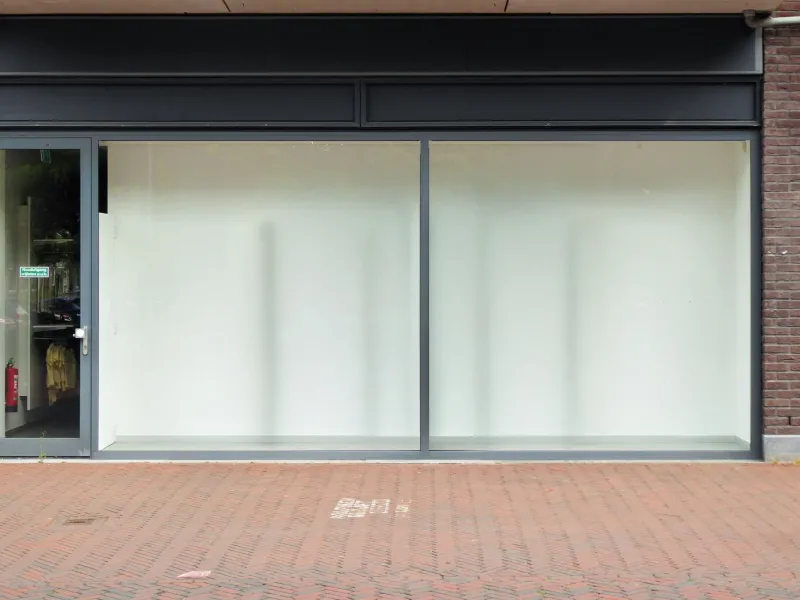
Walk down almost any recently regenerated UK high street and you can spot the same building. It has a sleek facade, a ground floor of floor-to-ceiling glass, and a To Let board that has been there longer than the plants in the roof garden. The upper floors may be full. The public square may be tidy. But at eye level, the place can feel unfinished.
That is not just a letting problem. It is a planning outcome. When a commercial scheme reshapes a town centre, the deal between developer and council matters. Section 106 agreements already capture some of the value and impact of new development, usually through affordable housing, public realm or transport contributions. There is a practical case for making affordable workspace, fit-out grants and local enterprise contributions a routine part of that negotiation too.
The empty unit is a planning outcome
Section 106 obligations are negotiated under the planning system to address the impacts of a development. They are not a blank cheque, and they cannot fix every market failure. But if a scheme changes the local economy, it is reasonable to ask what it does for the people who will actually use the ground floor.
Too many new units are built for an ideal tenant who rarely arrives: a national chain with a legal team, a fit-out budget and a willingness to pay a prime rent before the footfall has been proven. Small firms and social enterprises often need the opposite. They need a smaller unit, a shorter commitment, predictable service charges and some help turning a shell into a shop, studio or workshop.
Without that support, the glass box stays empty. The developer loses income. The council loses the active frontage it hoped for. Residents get another stretch of hoarding and a sense that regeneration is something done to them, not with them.
What a startup section could actually include
The idea is not to bolt a new tax onto every planning application. It is to give councils a standard menu of options that can be tested for viability and tailored to the scheme. A startup section could include:
- Affordable workspace with clear rent caps, longer tenancies and units sized for small firms rather than institutional occupiers.
- Fit-out contributions from the developer or a commuted sum, covering the basics that make a shell usable: utilities, broadband, accessible toilets, a shared kitchen or meeting space.
- Local enterprise contributions into a ring-fenced fund for small grants, mentoring, pop-up programmes or social enterprise support.
- Meanwhile-use agreements on phased sites, so empty space becomes a temporary market, workshop or community hub rather than a long-term void.
The strongest versions would be designed with an operator, not just written into a legal agreement. Councils do not need to become landlords. They can work with existing workspace providers, community land trusts, business improvement districts or local charities that already know how to manage flexible space.
Design matters more than the headline number
A common mistake is to treat affordable workspace as a numbers game: a percentage of floorspace, a rent figure, a box ticked. But the design and management of that space determine whether it works. A cheap unit with no services, poor access and a five-year lease is still a bad deal for a first-time founder.
So the agreement should specify what kind of space is needed. Small units of 200 to 800 square feet. Flexible leases. Shared infrastructure. Clear service charges. A mix of retail, light industrial and studio space where the local plan allows it. And a management plan that sets out how tenants will be found, how rent will be reviewed and what happens if demand is slower than expected.
It should also avoid the trap of creating a mono-culture. A startup section should not simply move a few trendy coffee shops into a new block. It should leave room for repair businesses, makers, health services, food producers and social enterprises that add everyday usefulness to a high street.
Making the deal accountable
Residents should be able to see what they got from the bargain. That means transparent reporting on occupancy, rents, tenant types and the use of any local enterprise fund. It means grant panels that include local founders and community representatives, not just council officers and consultants. And it means deadlines. Commuted sums that sit unspent for years are not a success.
There is a balance to strike. Not every scheme can carry the same obligations, and councils should be honest about viability. A small infill development cannot be treated like a major town-centre regeneration project. But that is an argument for thresholds and clear policy, not for leaving the ground floor to chance.
A small change with a big footprint
As councils update local plans in 2026 and beyond, they have a chance to make this ordinary rather than exceptional. Publish a standard clause. Set out a menu of options. Pilot it on one scheme and learn from what happens. Developers benefit from occupied units and a smoother planning process. Founders get a lower barrier to entry. Residents get a high street that feels alive at eye level.
The big idea is simple: when new development creates commercial space, it should also help create the businesses that fill it. Build the shop, yes. But back the people who make it a shop worth visiting.